Every person is bound to have their own unique assumption about Why Plumbing Air Vents Are Important.
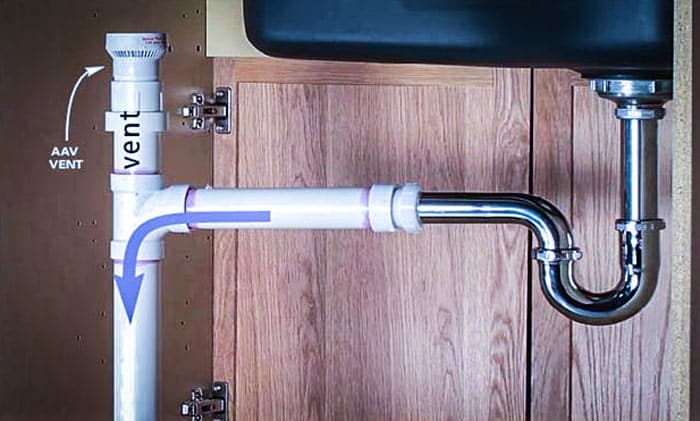
Proper air flow in plumbing systems is commonly neglected, yet it is vital for preserving the performance and safety of your home's pipes. Ventilation assists manage atmospheric pressure, prevent the build-up of dangerous gases, and guarantee the effective removal of waste. In this overview, we will certainly discover the importance of correct plumbing ventilation, exactly how it functions, and the advantages it brings to your pipes system.
How Ventilation Works in Pipes Systems
Air Pressure Policy
Correct air flow keeps balanced atmospheric pressure within the plumbing system. When water moves with pipelines, it displaces air. Without appropriate air flow, this displacement can develop unfavorable stress, bring about slow down drains pipes or siphoning of water from catches, which can cause unpleasant smells to permeate into the home.
Protecting Against Drain Gas Build-up
One of the most essential functions of plumbing vents is to avoid sewage system gases, such as methane and hydrogen sulfide, from collecting within the home. These gases can posture serious wellness threats and are highly combustible. Vent pipelines allow these gases to run away safely outside.
Assisting in Waste Removal
Ventilation helps in the efficient removal of wastewater by stopping airlocks in the drain system. When air can stream easily with the vents, it allows water and waste to flow efficiently through the pipes, decreasing the danger of blockages and backups.
Benefits of Correct Ventilation
Enhanced System Performance
Appropriately ventilated plumbing systems run much more successfully, with less obstructions, faster draining, and less pressure on the pipes. This effectiveness extends the life expectancy of the pipes system.
Improved Air Quality
By avoiding drain gases from entering your home, correct ventilation adds to better indoor air top quality, making your living setting healthier and a lot more comfortable.
Stopping Water Damages
Ample air flow assists stop water from being siphoned out of catches, which can cause drain gases going into the home and causing water damage with time.
Actions to Make Sure Appropriate Air Flow
Consulting Plumbing Codes
Constantly get in touch with regional plumbing codes when making or changing your plumbing system. These codes provide the needed guidelines for appropriate venting and guarantee your system satisfies safety and security standards.
Normal Evaluation and Upkeep
Normal inspections can assist recognize potential ventilation problems prior to they end up being significant issues. Upkeep jobs, such as cleaning up vent pipelines and checking for clogs, are important for maintaining the system in good working order.
Expert Installment
For brand-new installments or major adjustments, it's smart to employ a specialist plumber. They have the competence to ensure the ventilation system is appropriately made and set up according to code.
Comprehending Ventilation in Pipes
Air flow in plumbing refers to the network of pipelines that allow air to move with the drain system. These vents serve numerous purposes, consisting of controling atmospheric pressure within the pipelines, avoiding sewage system gases from going into the home, and assisting in the smooth flow of wastewater.
Sorts Of Pipes Vents
Key Stack Vent
The main pile air vent, additionally referred to as the air vent pile, is the primary vent in a pipes system. It extends from the primary drainpipe align via the roof, enabling gases to run away and fresh air to get in the system.
Branch Vent
Branch vents connect to the main pile air vent and offer specific components, such as sinks, commodes, and showers. These vents ensure that each fixture has ample air flow to work appropriately.
Air Admission Valve (AAV).
An Air Admittance Shutoff (AAV) is a one-way shutoff that enables air to enter the plumbing system without the demand for a typical air vent pipeline extending via the roofing. AAVs are frequently utilized in remodellings or locations where setting up a typical air vent is unwise.
Indicators of Poor Air Flow in Pipes.
Slow Draining Fixtures.
If your sinks, bathtubs, or commodes are draining gradually, maybe an indication of poor ventilation. Poor air flow can develop a vacuum impact, making it difficult for water to drain pipes properly.
Gurgling Seems.
Gurgling audios coming from drains are often a result of air being drawn via water catches due to unfavorable stress in the pipelines. This is a clear indication of insufficient air flow.
Undesirable Smells.
Sewer odors inside your home are a warning that your plumbing system is not appropriately aerated. This might suggest that sewage system gases are not being sufficiently vented outside, leading to potentially unsafe problems.
Common Ventilation Mistakes.
Poor Vent Sizing.
Utilizing small vent pipelines can lead to bad air circulation and stress discrepancies in the system. It's essential to use vents that fulfill the details needs of your plumbing system.
Improper Vent Placement.
Positioning vents also much from the components they offer can lower their performance. Correct positioning guarantees that air can flow easily and efficiently via the system.
Ignoring Code Demands.
Building codes supply particular guidelines for pipes ventilation. Neglecting these codes can result in a system that falls short to function properly and might lead to expensive fixings or carcinogen.
Conclusion.
Proper ventilation is a vital component of any pipes system, ensuring that it operates successfully and securely. By comprehending the importance of air flow, acknowledging the signs of inadequate air flow, and taking steps to keep your system, you can stop costly concerns and secure your home's air quality.
Why Proper Ventilation Is Important In Buildings
According to ASHRAE (American Society of Heating, Refrigerating and Air-Conditioning Engineers), ventilation is defined as the process of supplying outdoor air to or removing indoor air from a dwelling by natural or mechanical means. Such air may or may not have been conditioned.
It’s notable that, in addition to its meaning in the field of engineering, the term is also used in biology. Merriam-Webster defines ventilation as: the circulation and exchange of gases in the lungs or gills that is basic to respiration.
service technichian checking ventilation
At a high level, the combination of these two definitions explains why it’s so important for buildings to have proper ventilation—the health and comfort of the occupants and visitors who rely on a building’s HVAC system to make clean, conditioned air available for people to breathe. And, when a building has proper ventilation, there are many specific benefits that building occupants enjoy.
Below we explain the downside of inadequate air movement and the upside of a well-designed, optimally functioning HVAC system.
How Poor Ventilation Can Hurt Your Business
Low air quality does more than simply make a space less comfortable for occupants. It can impact a business in a variety of ways. For example, there are health risks for employees from breathing “bad” air throughout their day.
According to the Environmental Protection Agency (EPA): A number of well-identified illnesses, such as asthma, hypersensitivity pneumonitis and humidifier fever, have been directly traced to specific building problems. These are called building-related illnesses. Most of these diseases can be treated; nevertheless, some pose serious health risks and may require prolonged recovery times after leaving the building.
Even if occupants don’t become ill due to poor building ventilation, there can be other consequences. Working in a space that is too warm and humid can make people less productive, for example. And, if the conditions in a building are continually uncomfortable, it can make it harder to hire and retain employees. Plus, customers and clients prefer not to spend time in spaces that have stagnant air, which can hurt a business.
Benefits of the Right HVAC System
Improved temperature control. In order for an HVAC system to heat or cool the air in a space appropriately, that air must flow through the heating or air conditioning system. When that movement takes place, the temperature in rooms throughout a building can be highly controlled to ensure that they don’t get too warm or too cold. Improved humidity control. The amount of moisture in the air plays a major role in how comfortable indoor air is. Too much, and everything from a person’s skin to work surfaces feel damp and clammy. Too little, and dry, itchy skin and excessive static electricity can be the result. Adequate ventilation enables HVAC systems to manage humidity levels more effectively. Increased productivity. Employees who don’t feel drowsy because of a lack of ventilation air are able to stay focused on their work, and that benefits your customers and your business. Reduced sick time. When employees are ill, they suffer and the company suffers. Continually requiring people to “pitch in” and cover for a sick coworker is stressful for them. It can also be frustrating for customers to have the person they typically work with unavailable. Good indoor air quality supports better health, which means your company can be operating at full capacity more of the time. Happier customers and other visitors. People don’t want to spend time in a building that is uncomfortable. And, unfortunately, they typically won’t tell you why they’re reluctant to visit. On the flip side, when meeting rooms and other spaces are always at the right temperature and humidity, with good air flow, customers and other visitors find it much more enjoyable to spend time at your location. More desirable space for potential renters. For building owners, well-ventilated space is much easier to rent than a building with stale, damp, or smelly air. All other factors being equal, renters are more likely to sign a contract for the more comfortable of two spaces. Better Building Ventilation: Getting Started Is Easy
Especially when a building has multiple air quality problems—temperature control, humidity, odors, etc.—it can feel like resolving them is an insurmountable task or that “there’s no way to know” what’s causing all the issues. However, the truth is that there is a science to improving indoor air quality.
Our HVAC experts can take the mystery out of an air quality problem, quickly pinpointing the cause or causes and recommending a solution for resolving them. In many cases, minor repairs or enhancements to existing equipment are all that is required. And, even if the installation of new or better equipment is necessary, we can handle that efficiently and cost-effectively, as well.
In any event, the first step is contacting Timberline Mechanical to explain the “symptoms” of poor ventilation that occupants are reporting. We can then talk with you about possible causes and how we can address them. Whether you choose to schedule a project at that point or not, having some insight on the challenges you’re facing can be very helpful.
We can also discuss system maintenance best practices. Often, air quality problems can be prevented with regular service and preventive maintenance. Building owners and property managers find that the small expense of keeping their HVAC systems functioning optimally pays off in preventing costly system repairs or equipment replacement down the road.
And, of course, implementing an effective, intelligent HVAC solution in the first place is the best way to prevent problems. That’s why owners and general contractors come to us early in the building process. We collaborate with them to develop a solution that will ensure proper ventilation and excellent indoor air quality that delivers tremendous benefits for occupants and visitors.
https://www.timberlinemechanical.com/why-proper-ventilation-is-important-in-buildings/

I'm just very serious about What Are Plumbing Vents and Why Are They Important? and I hope you liked our blog entry. Sharing is caring. Helping others is fun. Thank you so much for your time invested reading it.
Call Today